

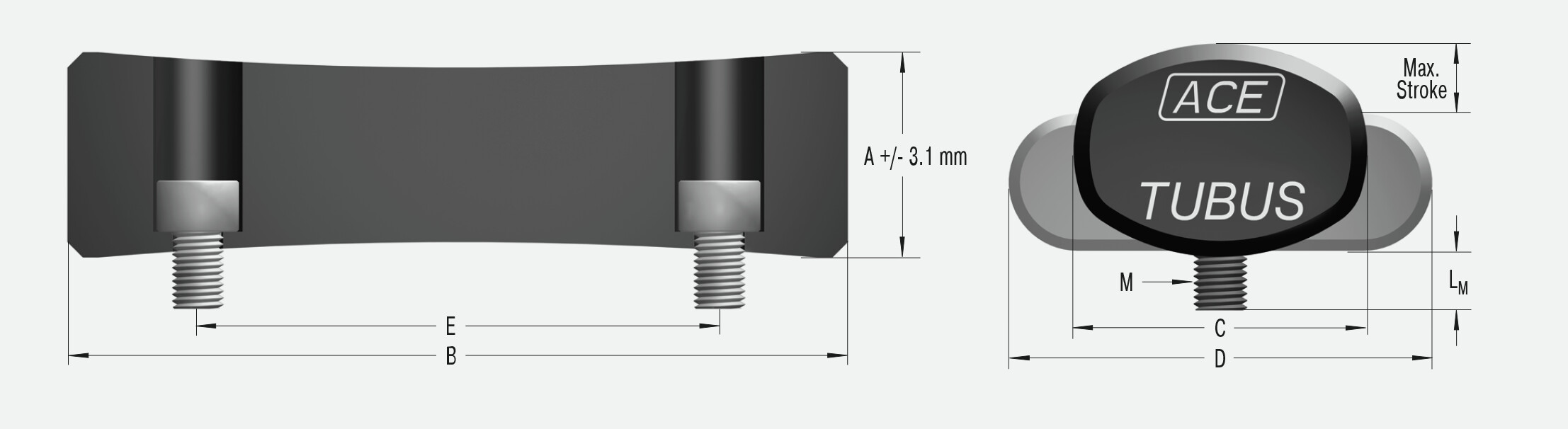
| Stroke | 0.47 inch |
| A | 1.22 inch |
| B | 5.91 inch |
| C | 1.85 inch |
| D | 2.28 inch |
| E | - |
| Thread M | M10 |
| LM | 0.75 inch |
Energy capacity per stroke 7585 in-lbs/cycle
Energy capacity emergency use 10621 in-lbs/cycle
F max. static 33631.41 lbs
Energy absorption 43 to 72 %
Dynamic force 17,715 to 182,748 lbs
Operating temperature range -40 to 194 °F
Construction size 1.85 inch
Mounting In any position
Material hardness rating Shore 40D, Shore 55D
Environment Resistant to microbes, seawater or chemical attack. Excellent UV and ozone resistance. Material does not absorb water or swell.
Impact velocity range 16.4 ft/s
Torque max. 61.96 in-lbs
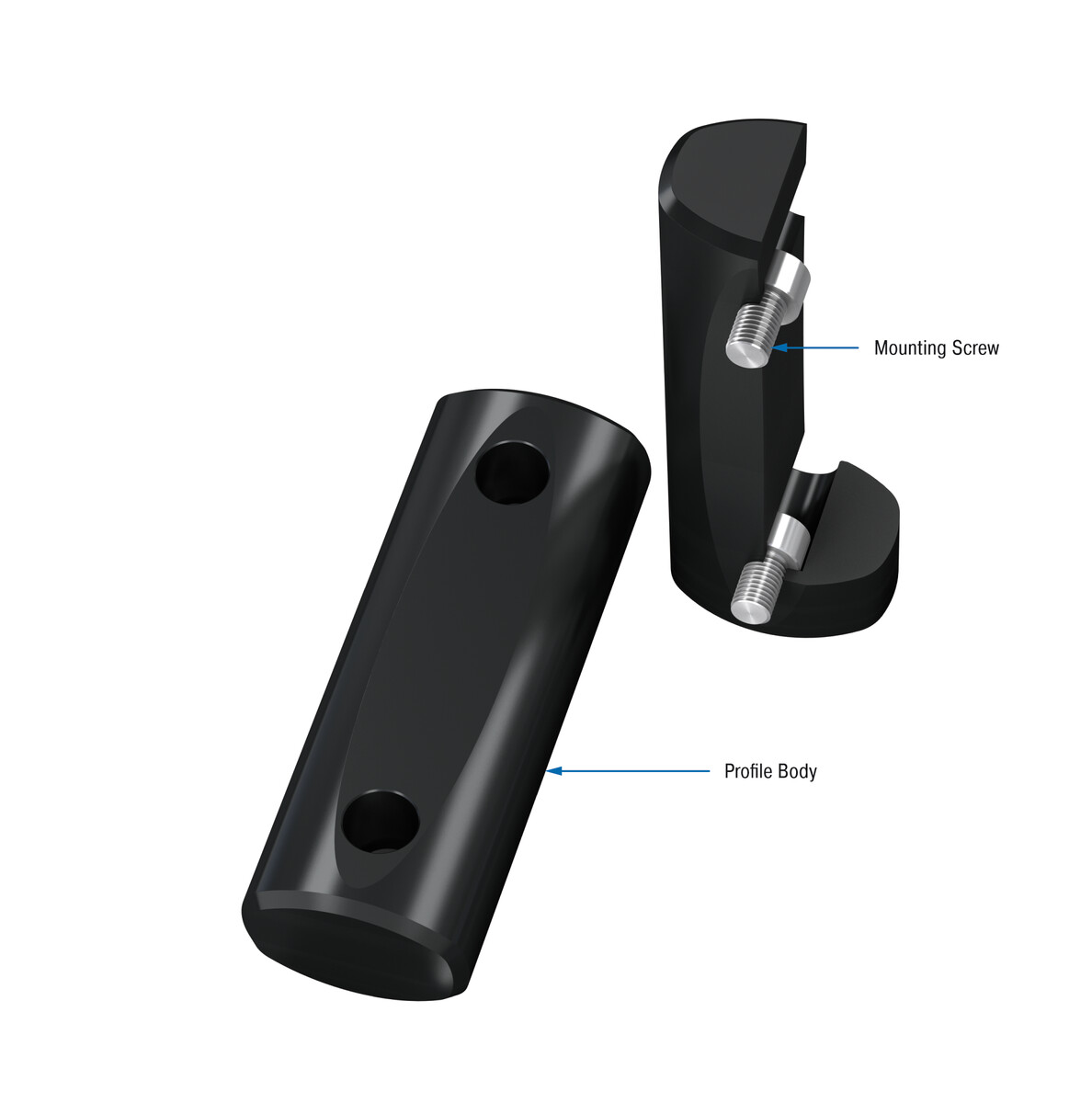
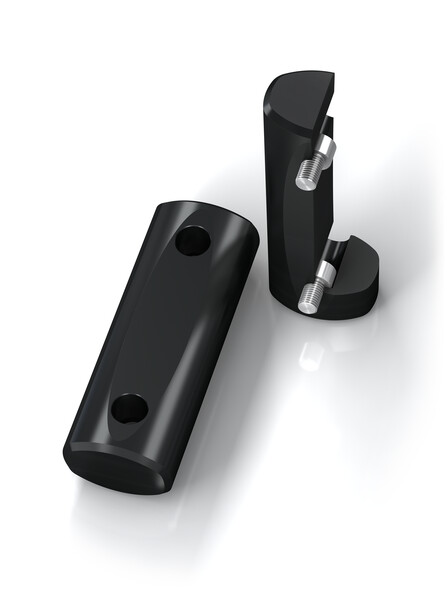
Profile body Co-Polyester Elastomer
Suitable for emergency stop applications and for continous use. For applications with preloading and increased temperatures please consult ACE.
Mounting screw should additionally be secured with Loctite.
Special strokes, -characteristics, -spring rates, -sizes and -materials.
Weight
0.494 lbs
F and R Weight
-
S Weight
-
Custom tariff number
39269097
Country of origin
US
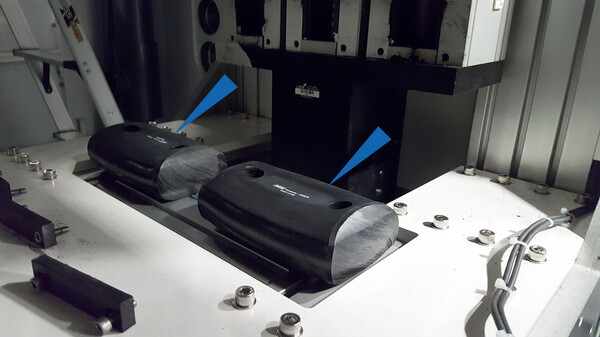
These dampers are used in agricultural technology and on shovels or break joints on construction machines as well as on loading and lifting or similar equipment.